
Helping Young Smiles Grow With Phase 1 Treatment in West Hempstead
Parents notice the small changes first. Teeth are coming out of order. Jaws that do not seem to line up. These early signs can raise real concerns about comfort, confidence, and long-term oral health. Phase 1 Treatment West Hempstead focuses on guiding growth at the right time, while the mouth is still developing. This approach supports healthier alignment and can reduce future orthodontic challenges through early orthodontic care.
This article explains how Phase 1 treatment works for children. It looks at why timing matters, what problems early care can address, and how orthodontic treatment for young patients supports better outcomes as they grow.
Understanding Early Orthodontics and Why Timing Matters
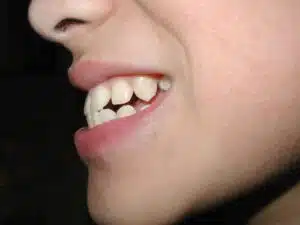 Early orthodontics focuses on guiding a child’s dental and jaw development while growth is still active. Treatment at this stage looks beyond straight teeth and considers how the jaws, bite, and facial structure are forming together. Addressing concerns early can improve function and create a more stable foundation for future care.
This approach is often recommended to address specific developmental concerns, including bite issues, jaw growth patterns, and spacing problems. Common goals include correcting crossbites, creating room for incoming teeth, and improving how the upper and lower jaws work together. Early orthodontics is used when growth can still be guided rather than corrected later.
Timing plays a major role in outcomes. Some orthodontic problems become more complex if left untreated during key growth years. Early evaluation allows orthodontists to monitor changes closely and intervene only when it is beneficial for the child’s long-term oral health.
How Orthodontics for Kids Differs From Teen Treatment
Orthodontic care for younger children focuses on growth and development rather than final alignment. The goal is to guide the jaws and create space while the mouth is still changing. This approach can improve function and reduce the need for more complex treatment later.
Orthodontics for kids often involves early appliances that support proper development. These may be recommended to address concerns such as:
- Crowded or overlapping teeth
- Uneven jaw growth
- Bites that do not meet correctly
- Early or late loss of baby teeth
Treatment plans for children are usually shorter and more focused. Progress is monitored over time, with adjustments made as growth continues. This allows care to support natural development instead of working against it.
What Is Phase 1 Orthodontic Treatment?
Phase 1 orthodontic treatment is an early approach designed for children who are still growing. It focuses on guiding jaw development and creating space for permanent teeth. The goal is to address structural concerns before they become more difficult to correct.
This type of care may involve expanders, partial braces, or other appliances based on a child’s needs. Phase 1 orthodontic treatment is often recommended when there are signs of crowding, bite problems, or jaw imbalance. These tools work with natural growth instead of waiting for it to finish.
By addressing issues early, this treatment can make later orthodontic care simpler and more predictable. In some cases, it can reduce the length or complexity of future treatment as the child gets older.
Signs Your Child May Benefit From Interceptive Orthodontics
Some orthodontic concerns are easier to address while a child is still growing. Parents may notice changes in how teeth fit together or how the jaws move during speech and chewing. These signs can point to underlying growth issues that benefit from early attention.
Interceptive orthodontics may be recommended when specific patterns appear during development, including:
- Crowded or blocked-out teeth
- Upper and lower teeth that do not meet properly
- Early loss of baby teeth
- Difficulty biting or chewing food
- Jaw shifting when closing the mouth
Early evaluation allows orthodontists to observe growth and recommend care only when needed. Addressing these concerns at the right time can support healthier development and reduce the chance of more involved treatment later.
What to Expect During a Phase 1 Treatment Plan
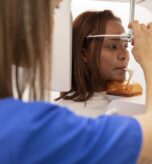
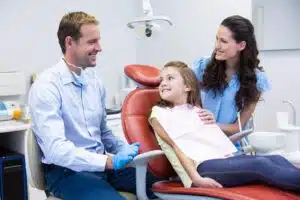 A Phase 1 treatment plan begins with a detailed orthodontic evaluation. This includes examining tooth development, jaw growth, and bite alignment. Records such as digital scans or X-rays may be used to understand how the mouth is developing over time.
If treatment is recommended, appliances are selected based on specific growth concerns. These may include expanders or limited braces designed for young patients. Phase 1 Treatment, West Hempstead, focuses on guiding development rather than finishing alignment at this stage.
Children are monitored closely throughout care. Appointments track progress and adjust appliances as needed. After active treatment ends, observation continues to ensure growth stays on a healthy path before any future orthodontic care is considered.
Common Questions Parents Ask About Early Orthodontic Care
At what age should my child see an orthodontist for the first time?
Many children benefit from an orthodontic evaluation by age seven, even if no obvious issues are present. This allows early growth patterns, bite development, and spacing to be assessed before problems become harder to manage.
Does early treatment mean my child will not need braces later?
Early treatment can reduce the severity of future orthodontic concerns and make later care more efficient. Some children still need braces or aligners later, but treatment is often shorter and less complex.
How long does early orthodontic treatment usually last?
The length of treatment depends on the specific concerns being addressed and how the child responds to care. Active treatment often lasts several months to about a year, followed by a period of monitoring as growth continues.
Creating Confident Smiles With Eisenberger & Bindiger Orthodontics in West Hempstead
Eisenberger & Bindiger Orthodontics provides orthodontic care for children, teens, and adults in West Hempstead. The practice focuses on personalized treatment and supports healthy smile development at every stage, including early orthodontic care for growing children.
Using modern orthodontic options such as braces and clear aligners, the team works to create confident, healthy smiles through thoughtful planning and ongoing support.
To learn more about your child’s case and how to begin treatment for their specific needs, book an appointment to consult with our orthodontists today.